Writing my book has been a journey far beyond words on a page. It began simply — as a story I felt compelled to tell — but along the way, it became a search, a reawakening, and an act of remembrance. What began as fiction gradually evolved into a profound exploration of identity, memory, and the quiet spaces where personal and collective histories intersect.
When I began writing, I thought I knew the Morocco I wanted to describe. I had my memories, my family stories, the echoes of childhood summers, and the scent of mint tea and sea salt that always seemed to hover in the background. But once I began researching Morocco in the 1960s — the decade in which my story unfolds — I realized how much I didn’t know, and how little I understood some traditions. The past is never still; it shifts and breathes with each discovery.
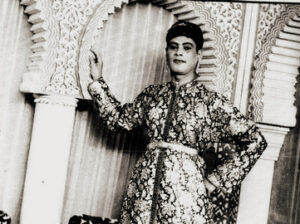
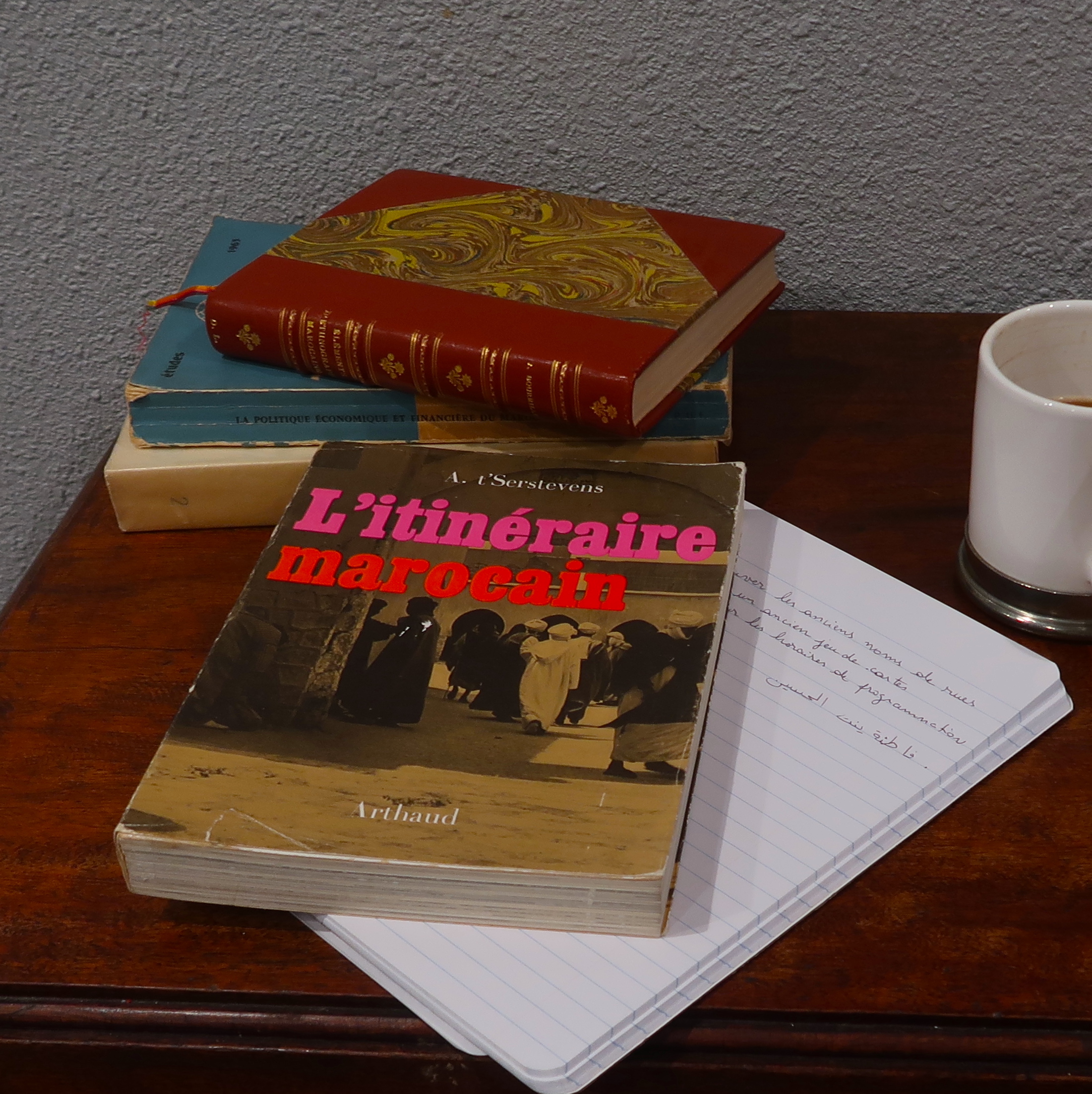
Research became its own kind of voyage. I wandered through archives and black-and-white photographs, reading old newspaper articles and research papers. I read interviews of people who had lived through that era. I listened to recordings of Aita, the traditional Moroccan music that carries both rebellion and heartbreak in its rhythms. Those voices, raw and unpolished, seemed to come from a place both ancient and immediate. They were the pulse beneath the surface of the story I was trying to write.
The deeper I went, the more Morocco of the 1960s revealed itself as a world of contradictions: youth and fear, dreams and silence. It was a country standing at a crossroads — newly independent yet still wrestling with the ghosts of colonization, brimming with hope yet scarred by inequality. Beneath the optimism of modernity lay frustration, hunger, and disillusionment. The voices of that generation, especially the young, felt urgent and restless. They wanted education, dignity, and freedom. As I learned, those desires often met the cold wall of power.
This period of history — often overlooked or simplified — became a living presence in my writing. It wasn’t just a backdrop; it shaped everything: the rhythm of dialogue, the colors of the streets, the hesitations in speech, the dreams my characters carried. Every fact I uncovered seemed to echo with emotion.
One of the most transformative discoveries of this journey was Aita — a genre of Moroccan folk music rooted in rural traditions yet charged with defiance. Sung mainly by women known as chikhates, Aita is a blend of poetry, storytelling, and rhythm. It can be celebratory or mournful, political or intimate. Historically, these women sang at weddings and festivals, but their performances often carried subtle acts of rebellion, serving as commentary on injustice, heartbreak, or hypocrisy. Their songs gave voice to what was otherwise unspeakable.
Listening to Aita while writing felt like entering a dialogue across time. I would put on recordings as I worked — the rise and fall of emotion — and something inside me would respond. These women, some of whom only passed away recently, spoke to the same longing I felt: to belong and to speak freely. Their courage and unapologetic presence became my compass.
Through them, I began to reconnect with my own roots in a way that felt visceral. The Morocco I had inherited began to reveal its hidden treasures. I saw not just the beauty, but the struggle; not just the heritage, but the resilience. Writing became a bridge between what I knew and what I had yet to discover.
It was also deeply cathartic. There were days when research felt heavy, when I would read about lost lives, forgotten movements, or the censorship that silenced so many young voices. But every discovery, no matter how painful, reminded me that to write honestly is to look directly at what History would rather forget. The act of writing — of shaping memory into narrative — became a way of reclaiming those stories.
At times, I wondered whether I was writing fiction at all. My characters came alive with such insistence that they began to feel like ancestors, carrying the echoes of real people. I would dream about them, hear their conversations, sense their presence as I typed. They led me into corners of History I hadn’t planned to explore — the 1965 uprising in Casablanca, the student protests, the rural exodus. Following them felt like following a thread through a labyrinth, trusting that it would lead somewhere true.
Writing became a kind of homecoming — cathartic, sometimes painful, always illuminating. It wasn’t just about uncovering the past but also about understanding my place within it. With each chapter I wrote, and with each song I listened to, another layer of distance peeled away. The more I learned, the more curious I became, not only about Morocco’s history but about the threads that still tie us to it today — the unspoken inheritances of silence, pride, and longing that shape who we are.
There was also a strange, humbling beauty in realizing how much of this journey was circular. The questions I asked about Morocco — about belonging, identity, and voice — were the same questions shaped by current events, including the protests in Morocco and the protests against the genocide in Gaza. The repression and threats leveled at peaceful demonstrators in countries that pride themselves on free speech and equality go to show how much some of us have to fight for the most basic right: to exist.